Creatinine: Your Kidneys' Report Card — and Why Muscle Mass Changes Everything
Of all the kidney markers on your blood panel, creatinine is the most revealing. But it comes with a catch — one that trips up doctors and patients alike when they forget to ask about the person behind the number.

Of all the kidney markers on your blood panel, creatinine is the most revealing. But it comes with a catch — one that trips up doctors and patients alike when they forget to ask about the person behind the number.
What Is It?
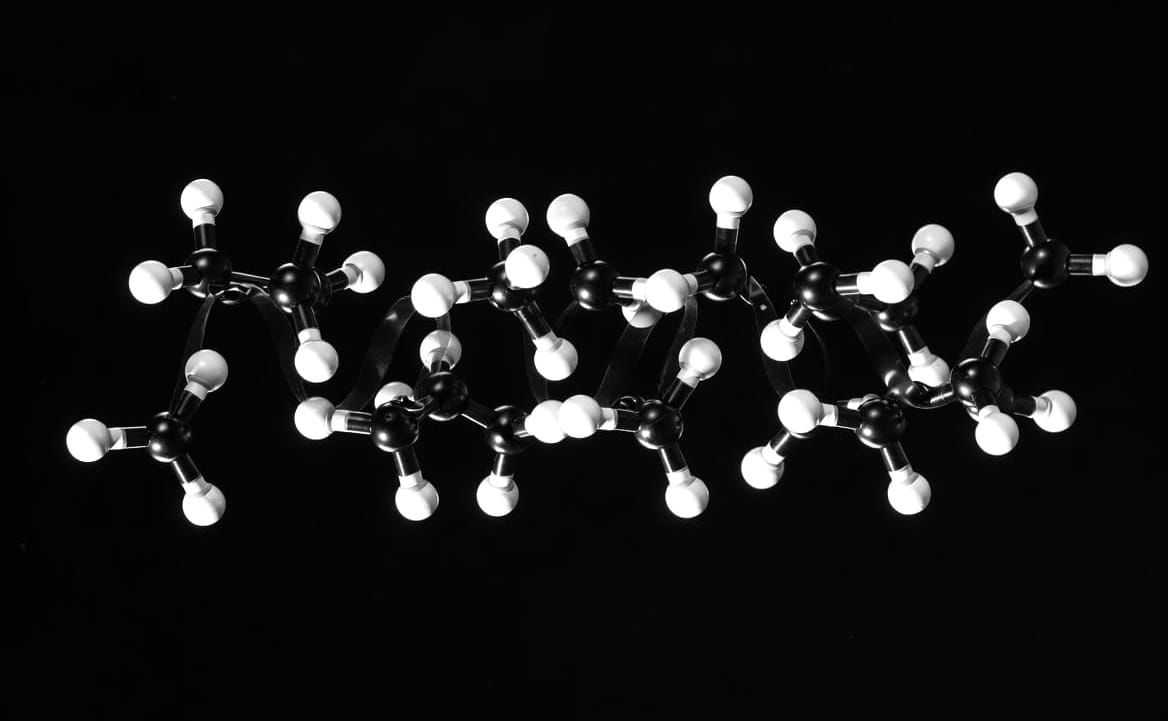
Creatinine is a chemical waste product generated by the normal breakdown of creatine phosphate in muscle tissue. Creatine — the same compound many athletes supplement with — is stored in muscle cells and used as a rapid energy source during short, intense bursts of activity. As creatine is used and recycled, a small percentage of it breaks down irreversibly into creatinine, which is released into the bloodstream at a steady, predictable rate.¹
Because creatinine is produced at a relatively constant rate based on muscle mass and filtered almost exclusively by the kidneys — with very little reabsorption or secretion — it serves as a reliable proxy for kidney filtration efficiency. Healthy kidneys clear creatinine from the blood efficiently, keeping blood levels low and stable. When kidneys are damaged or their filtration rate declines, creatinine accumulates in the blood. The higher the creatinine, the lower the kidney filtration capacity.²
This is what makes creatinine one of the most clinically useful markers in the entire blood panel. Unlike BUN, which fluctuates significantly with protein intake and hydration, creatinine is far less sensitive to short-term dietary changes. A high creatinine reading is a more specific signal of impaired kidney function than a high BUN reading. The two together — and particularly their ratio — give the clearest picture of what is actually happening with kidney health.
Your lab report will almost always include an estimated glomerular filtration rate (eGFR) calculated from your creatinine value alongside your age, sex, and race. The GFR estimates how many milliliters of blood your kidneys are filtering per minute — it is the gold standard measure of overall kidney function. A GFR of 90 or above is normal. Between 60 and 89 suggests mildly reduced function. Below 60 on two separate tests three months apart meets the diagnostic criteria for chronic kidney disease (CKD).³
Here's the wrinkle that makes creatinine context-dependent: it is directly proportional to muscle mass. A highly muscular athlete will naturally produce more creatinine than a sedentary elderly person — and will run higher creatinine values that might look alarming on a standard lab range but actually reflect nothing more than a larger muscle engine. Conversely, a frail elderly person with significant muscle loss may have a creatinine reading squarely in the normal range even when their kidney function is significantly impaired — because their low muscle mass means they're producing very little creatinine to begin with. The GFR calculation partially accounts for this, but imperfectly.⁴
The bottom line: creatinine is one of the most important numbers on your blood panel — but it must always be read in the context of who you are, how much muscle you carry, and what your trend line looks like over time.
What's the Healthy Range?
Serum Creatinine Reference Range:
- Normal (adult men): 0.74–1.35 mg/dL
- Normal (adult women): 0.59–1.04 mg/dL
- Mildly elevated: 1.2–2.0 mg/dL — warrants monitoring and investigation
- Moderately elevated: 2.0–5.0 mg/dL — significant kidney dysfunction likely
- Severely elevated: Above 5.0 mg/dL — consistent with advanced kidney failure
Women typically have lower creatinine than men because they generally carry less muscle mass. Age matters too — creatinine tends to decline in older adults as muscle mass decreases with age, even as kidney function may also be declining. This is why GFR is considered a more reliable measure of kidney health than creatinine alone.
eGFR Staging for Kidney Function:
- Stage 1 (Normal or high): eGFR 90 or above — with other signs of kidney damage present
- Stage 2 (Mildly decreased): eGFR 60–89
- Stage 3a/3b (Mildly to moderately decreased): eGFR 30–59
- Stage 4 (Severely decreased): eGFR 15–29
- Stage 5 (Kidney failure): eGFR below 15 — dialysis or transplant territory
One critical point: a single elevated creatinine or reduced eGFR does not diagnose chronic kidney disease. CKD requires two abnormal readings at least three months apart. Acute creatinine elevation from dehydration, intense exercise, certain medications, or a recent illness can normalize completely with time and treatment.
What Can You Do About It?
Creatinine itself is not a target to lower arbitrarily — it's a signal to interpret. If creatinine is rising over time or sitting above your individual normal, the question is always why, and addressing the cause is the priority. That said, protecting kidney function and supporting healthy creatinine levels is squarely within lifestyle's reach.
Protecting Kidney Function and Supporting Healthy Creatinine:
The two non-negotiables — blood pressure and blood sugar:
- Hypertension and diabetes are responsible for over 70% of all new cases of kidney failure in the United States. Controlling both is the single most powerful thing most people can do to protect their kidneys long-term
- Target blood pressure below 130/80 mmHg — ideally with lifestyle first: reduced sodium, increased potassium, regular exercise, weight management, and stress reduction
- Maintain blood glucose in healthy range (see our Glucose and A1C articles) — even modest elevations sustained over years accelerate nephron damage
Hydration:
- Chronic mild dehydration stresses the kidneys and can cause creatinine to run higher than baseline — consistent daily hydration is protective
- Avoid dramatic fluid restriction; equally, avoid forcing excessive water without electrolyte balance
Medication awareness:
- NSAIDs (ibuprofen, naproxen, aspirin at high doses) reduce renal blood flow and are among the most common causes of drug-induced kidney injury with chronic use — use sparingly and never long-term without medical supervision
- Certain antibiotics (aminoglycosides, vancomycin), contrast dyes used in imaging, and some chemotherapy agents are nephrotoxic — your care team should monitor kidney function around these
- If you take ACE inhibitors or ARBs for blood pressure or heart protection, a modest rise in creatinine (up to 30%) after starting is expected and generally acceptable — discuss any larger increase with your doctor
Diet:
- A diet rich in vegetables, fruits, and fiber — and lower in red meat and ultra-processed foods — consistently shows kidney-protective effects in long-term studies
- Creatine supplementation raises creatinine — not from kidney damage, but because more creatine is available to convert. If you supplement creatine and have a slightly elevated creatinine, inform your doctor. This is benign in people with healthy kidneys but can complicate interpretation
- Cooked meat — especially red meat — can temporarily raise creatinine after a large meal because cooked creatine converts to creatinine during the cooking process. Consider this if you had a large steak dinner the night before a blood draw
Exercise nuance:
- Intense exercise temporarily raises creatinine due to increased muscle metabolism and mild dehydration — avoid strenuous workouts 24–48 hours before a scheduled blood draw for the most accurate baseline reading
- Long term, regular moderate exercise is protective for kidney health — don't let the short-term effect discourage you from training
Supporting Kidney Health Through Specific Foods and Supplements:
- Omega-3 fatty acids (fatty fish, fish oil): shown to reduce proteinuria and slow GFR decline in CKD
- Astragalus root: used in traditional Chinese medicine and increasingly studied for nephroprotective properties — some trials show modest GFR preservation
- Coenzyme Q10 (CoQ10): early evidence for reducing oxidative stress in kidney tissue
- Avoid excessive protein restriction in people without kidney disease — it is unnecessary and potentially harmful to muscle mass
- For confirmed CKD, work with a renal dietitian — dietary needs are highly individualized based on GFR stage, potassium, phosphorus, and protein tolerance
The Science Right Now
Creatinine and GFR research has advanced considerably, with several important developments shaping how kidney health is now understood and managed.
The most significant recent development is the refinement of the GFR calculation formula. In 2021, the National Kidney Foundation and the American Society of Nephrology jointly recommended removing race as a variable from the eGFR equation (the previous CKD-EPI formula included a race coefficient that consistently overestimated kidney function in Black patients, potentially delaying diagnosis and treatment). The new race-free CKD-EPI 2021 equation is now the standard in most U.S. laboratories — a meaningful step toward more equitable kidney disease detection.⁵
On the biomarker front, cystatin C is emerging as a creatinine complement that may be more accurate in populations where muscle mass skews creatinine interpretation — specifically elderly adults, very muscular individuals, and those with significant malnutrition. A 2023 study in the New England Journal of Medicine found that cystatin C-based eGFR predicted cardiovascular outcomes and mortality more accurately than creatinine-based eGFR in several high-risk populations, and many guidelines now recommend combined creatinine-cystatin C equations as the gold standard when precision matters most.⁶
The CREDENCE and DAPA-CKD trials — published in 2019 and 2020 respectively — established that SGLT2 inhibitors (a class of diabetes medication including canagliflozin and dapagliflozin) significantly slow kidney disease progression and reduce creatinine rise trajectories in people with CKD, with and without diabetes. This has fundamentally changed nephrology practice, extending the life of failing kidneys by years in many patients.⁷
For accessible, patient-facing information on creatinine, GFR, and kidney health, the National Kidney Foundation at kidney.org and Dr. Joseph Vassalotti's educational content are excellent starting points. For a deeper clinical understanding, the KDIGO guidelines (Kidney Disease: Improving Global Outcomes) are the international standard reference.
"The kidneys are quiet organs. They don't complain until they've lost 50 to 60 percent of their function. Creatinine and GFR are the earliest voices they have. Listen to them." — Dr. Joseph Vassalotti, Chief Medical Officer, National Kidney Foundation
The Bottom Line
Creatinine is one of the most reliable signals your kidneys send. It's not perfect — muscle mass, diet, and hydration all influence it — but over time, a rising creatinine trend is a story that demands attention. And the GFR it generates is the clearest summary of kidney functional capacity available from a basic blood draw.
The best kidney protection strategy isn't complicated: keep your blood pressure controlled, keep your blood sugar in range, drink enough water, use NSAIDs sparingly, exercise regularly, and eat a diet built around whole foods. Most kidney disease is preventable. Most of it develops silently over years of choices that compound quietly in the background.
Your kidneys are filtering your blood right now — 200 liters a day, without a single complaint. Give them what they need to keep doing it.
Sources & Endnotes
1. Wyss, M., & Kaddurah-Daouk, R. "Creatine and creatinine metabolism." Physiological Reviews, 2000. https://doi.org/10.1152/physrev.2000.80.3.1107
2. Stevens, L.A., & Levey, A.S. "Measured GFR as a confirmatory test for estimated GFR." Journal of the American Society of Nephrology, 2009. https://doi.org/10.1681/ASN.2009020171
3. KDIGO 2022 Clinical Practice Guideline for Diabetes Management in Chronic Kidney Disease. Kidney International Supplements, 2022. https://kdigo.org/guidelines
4. Ix, J.H., et al. "Equations to estimate creatinine excretion rate: the CKD epidemiology collaboration." Clinical Journal of the American Society of Nephrology, 2011. https://doi.org/10.2215/CJN.02890311
5. Inker, L.A., et al. "New Creatinine- and Cystatin C–Based Equations to Estimate GFR without Race (CKD-EPI 2021)." New England Journal of Medicine, 2021. https://doi.org/10.1056/NEJMoa2102953
6. Shlipak, M.G., et al. "Cystatin C versus Creatinine in Determining Risk Based on Kidney Function." New England Journal of Medicine, 2023. https://doi.org/10.1056/NEJMoa2203936
7. Heerspink, H.J.L., et al. "Dapagliflozin in Patients with Chronic Kidney Disease (DAPA-CKD Trial)." New England Journal of Medicine, 2020. https://doi.org/10.1056/NEJMoa2024816
© Commit250 | commit250.com | All articles in this series are for informational purposes only and do not constitute medical advice. Consult a qualified healthcare provider before making changes to your diet, supplements, or exercise routine.