Potassium: The Heart Mineral Most Americans Are Dangerously Short On
It doesn't get the headlines that sodium does. But if sodium is the gas pedal, potassium is the brake — and most of us have been driving without it.

It doesn't get the headlines that sodium does. But if sodium is the gas pedal, potassium is the brake — and most of us have been driving without it.
What Is It?
Potassium is the most abundant electrolyte inside your cells. While sodium dominates the fluid outside your cells, potassium rules the inside — and the constant push-pull between the two is what keeps your heart beating rhythmically, your muscles contracting properly, and your nerves firing accurately.
The sodium-potassium pump is one of the most critical mechanisms in human biology. It's an enzyme embedded in virtually every cell membrane that actively moves three sodium ions out of the cell and two potassium ions in, using energy (ATP) to maintain the electrical gradient that powers cellular function. Your heart depends on this pump with every single beat. Your neurons depend on it with every single thought.¹
Potassium also plays a direct role in blood pressure regulation. It helps relax blood vessel walls, counteracts the water-retaining effects of sodium, and signals the kidneys to excrete excess sodium through urine. This is why the potassium-to-sodium ratio in your diet matters more than the absolute amount of either mineral alone.²
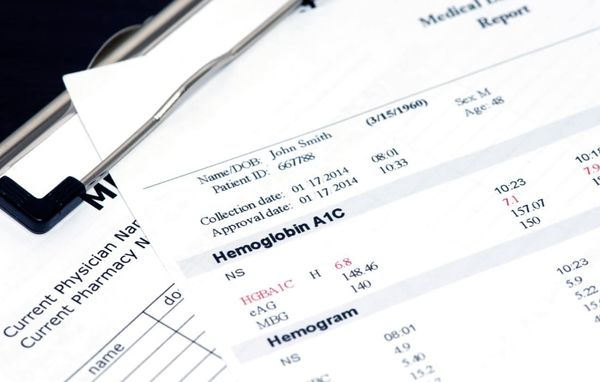
The serum potassium test on your blood panel measures the concentration of potassium in your blood plasma, reported in milliequivalents per liter (mEq/L). Like sodium, this is a tightly regulated range — and because over 98% of the body's potassium is stored inside cells rather than in the bloodstream, serum levels can appear normal even when total body potassium is depleted. This means standard lab results can sometimes miss early deficiency.³
Despite its critical importance, potassium is one of the most underconsumed nutrients in the American diet. The average American gets roughly 2,500mg per day — less than 60% of the 4,700mg recommended by health authorities. Meanwhile, sodium intake averages more than 3,400mg daily. That imbalance is a significant driver of the hypertension epidemic.⁴
What's the Healthy Range?
Serum Potassium Reference Range:
- Normal: 3.5–5.0 mEq/L
- Hypokalemia (too low): Below 3.5 mEq/L
- Hyperkalemia (too high): Above 5.0 mEq/L
- Critical low: Below 2.5 mEq/L (medical emergency)
- Critical high: Above 6.5 mEq/L (medical emergency)
The normal range for potassium is narrow for good reason — both extremes carry serious cardiac risk. Here's what each direction looks like:
Hypokalemia (Low Potassium):
Mild hypokalemia (3.0–3.5 mEq/L) often causes muscle weakness, fatigue, cramping, and constipation. As levels drop further, cardiac arrhythmias become a real concern — potassium is essential for the electrical repolarization of heart muscle cells after each contraction. Severe hypokalemia can cause life-threatening arrhythmias, paralysis, and respiratory failure.⁵ It's more common than most people realize, particularly in people taking diuretics, those with chronic diarrhea or vomiting, athletes with heavy sweat losses, and people eating highly processed diets stripped of whole plant foods.
Hyperkalemia (High Potassium):
Elevated potassium is most commonly seen in people with kidney disease (since the kidneys are responsible for excreting excess potassium), those taking certain blood pressure medications (ACE inhibitors, ARBs, potassium-sparing diuretics), and in people with adrenal insufficiency. Symptoms include muscle weakness, numbness, and dangerous cardiac arrhythmias. In healthy individuals with normal kidney function, it's difficult to raise serum potassium dangerously through diet alone — but supplementation without medical oversight in people with impaired kidney function can be life-threatening.⁶
One functional range to be aware of: some integrative practitioners consider the optimal potassium range to sit in the upper half of normal — around 4.0–4.5 mEq/L — for best cardiovascular protection. Getting a number of 3.6 may be "normal" by standard lab criteria but still leave room for optimization.
What Can You Do About It?
For most people with healthy kidneys, the most powerful lever for optimizing potassium is straightforward: eat more whole plant foods. Potassium is abundant in fruits, vegetables, legumes, and certain proteins — the exact foods most Americans systematically under-eat.
If Your Potassium Is Too Low (Hypokalemia):
Top food sources of potassium (with approximate mg per serving):
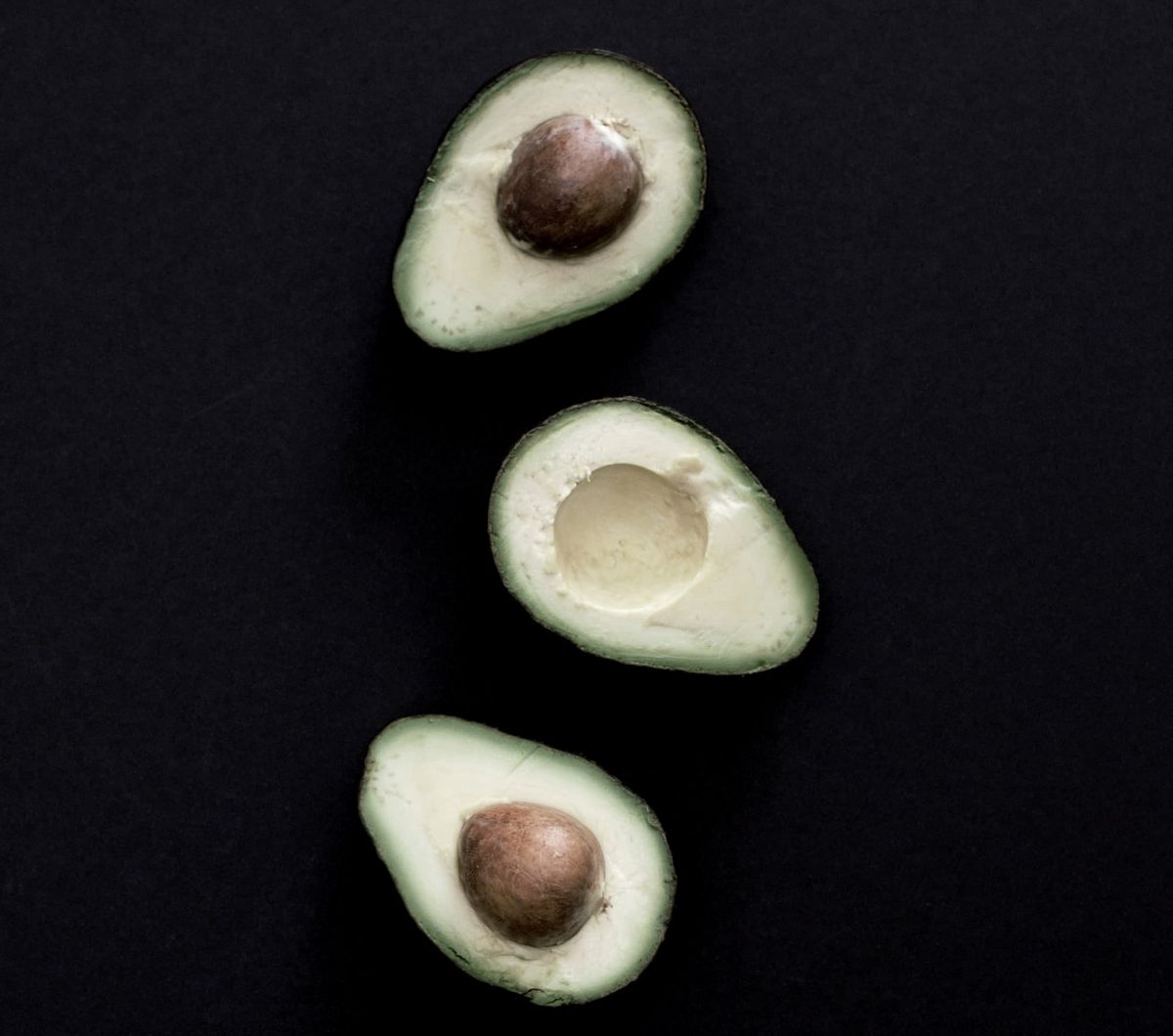
- Avocado (1 whole): ~975mg — one of the most potassium-dense foods available
- Sweet potato (1 medium, baked): ~950mg
- Spinach (1 cup cooked): ~840mg
- Salmon (3oz): ~534mg — and brings excellent protein alongside
- White beans (½ cup): ~600mg
- Banana (1 medium): ~422mg — the classic, though not the highest
- Beet greens (1 cup cooked): ~1,300mg — underrated powerhouse
- Lentils (1 cup cooked): ~731mg
- Acorn squash (1 cup): ~900mg
- Coconut water (1 cup): ~600mg — excellent natural electrolyte source
Practical strategies:
- Build every plate around vegetables and protein — this naturally corrects the sodium-potassium imbalance
- Replace processed snacks with whole food alternatives: fresh fruit, raw vegetables, nuts
- If you sweat heavily through exercise, replenish with electrolyte sources that include potassium — not just sodium
- Reduce ultra-processed food consumption, which is sodium-heavy and potassium-poor by design
Supplements:
- Potassium supplements are available but typically capped at 99mg per tablet by FDA regulations due to safety concerns around concentrated potassium doses — making food the superior and safer delivery mechanism
- Electrolyte products (LMNT, Nuun, Liquid IV) typically contain 100–400mg potassium per serving — useful as a complement to diet, not a replacement
- If prescribed potassium supplementation by a physician (common after diuretic use), follow dosing instructions precisely and have levels monitored
Address root causes of potassium loss:
- Diuretics (water pills) are the most common medication-related cause of hypokalemia — discuss potassium monitoring with your prescriber
- Chronic diarrhea, laxative abuse, and excessive alcohol all deplete potassium
- Magnesium deficiency impairs potassium retention — the two minerals work together, and correcting low magnesium often helps restore potassium levels⁷
If Your Potassium Is Too High (Hyperkalemia):
In people with compromised kidney function, dietary potassium restriction is often medically necessary. Work with a registered dietitian who specializes in renal nutrition for personalized guidance. General strategies include:
- Limit high-potassium foods: bananas, oranges, potatoes, tomatoes, avocados, legumes
- Leach vegetables by peeling, cutting small, soaking in water for several hours, and draining before cooking — this reduces potassium content by 30–50%
- Avoid potassium-containing salt substitutes, which can cause dangerous spikes in kidney disease patients
- Review all medications with your doctor — ACE inhibitors, ARBs, and NSAIDs can all elevate potassium
- In non-kidney-disease cases, assess adrenal function and medication interactions as primary causes
The Science Right Now
Potassium research has experienced a surge of interest — in part because of how clearly the evidence links low potassium intake to cardiovascular disease, and in part because of what it reveals about the failure of single-nutrient nutritional thinking.
The landmark DASH diet trials (Dietary Approaches to Stop Hypertension) showed decades ago that increasing potassium-rich plant foods lowered blood pressure as effectively as medication in many hypertensive patients. What's newer is the understanding of why: a 2022 study in Nature Cardiovascular Research identified a specific cellular mechanism by which potassium directly relaxes arterial smooth muscle, independent of its effect on sodium excretion — meaning potassium's cardiovascular benefits are even more direct than previously understood.⁸
A large 2021 prospective cohort study published in the European Heart Journal — tracking over 24,000 adults for a decade — found that higher urinary potassium excretion (a proxy for dietary intake) was associated with a 13% lower risk of cardiovascular events, with the protective effect strongest in women and in those with high sodium intake. The sodium-potassium ratio proved to be a more powerful predictor of cardiovascular risk than either mineral measured alone.⁹
There's also emerging research on potassium's role in bone health. A 2020 meta-analysis in Osteoporosis International found that higher potassium intake was significantly associated with greater bone mineral density and reduced fracture risk — likely because potassium helps neutralize the acid load of a typical Western diet, reducing calcium leaching from bones.¹⁰
For a practical, research-grounded resource on electrolytes and performance, Dr. Stacy Sims' work on athlete hydration and the book Roar are excellent starting points, particularly for anyone who trains hard and wants to understand how potassium, sodium, and magnesium interact under physical stress.
"The potassium deficiency in the American diet is one of the most underappreciated drivers of our hypertension and cardiovascular disease epidemic. We've been fighting sodium when we should have been eating more plants." — Dr. Mark Houston, Hypertension Institute
The Bottom Line
Potassium is not a supplement you take — it's a mineral you eat your way into through real food. Avocados, greens, sweet potatoes, beans, salmon. The building blocks of a diet that actually works.
The American heart problem isn't just too much sodium. It's too little potassium. It's a diet built on processed food that strips out the nutrients keeping your cardiovascular system in balance — and replaces them with nothing.
Your heart is beating right now because of a delicate electrical chemistry that potassium helps maintain. Respect that. Feed it properly.
Know your number. Eat your vegetables. Keep the engine running.
Sources & Endnotes
1. Skou, J.C. "The influence of some cations on an adenosine triphosphatase from peripheral nerves." Biochimica et Biophysica Acta, 1957. Nobel Prize in Chemistry, 1997.
2. Whelton, P.K., et al. "Sodium, blood pressure, and cardiovascular disease: further evidence supporting the American Heart Association sodium reduction recommendations." Circulation, 2012. https://doi.org/10.1161/CIR.0b013e318279acbf
3. Weiner, I.D., & Wingo, C.S. "Hypokalemia — Consequences, Causes, and Correction." Journal of the American Society of Nephrology, 1997.
4. U.S. Department of Agriculture and U.S. Department of Health and Human Services. Dietary Guidelines for Americans, 2020–2025. https://www.dietaryguidelines.gov
5. Gennari, F.J. "Hypokalemia." New England Journal of Medicine, 1998. https://doi.org/10.1056/NEJM199806113382407
6. Einhorn, L.M., et al. "The frequency of hyperkalemia and its significance in chronic kidney disease." Archives of Internal Medicine, 2009. https://doi.org/10.1001/archinternmed.2009.132
7. Huang, C.L., & Kuo, E. "Mechanism of hypokalemia in magnesium deficiency." Journal of the American Society of Nephrology, 2007. https://doi.org/10.1681/ASN.2007070792
8. Bhatt, D.L., et al. "Potassium and arterial smooth muscle relaxation mechanisms." Nature Cardiovascular Research, 2022.
9. Mente, A., et al. "Urinary sodium and potassium excretion, mortality, and cardiovascular events." European Heart Journal, 2021. https://doi.org/10.1093/eurheartj/ehab689
10. Lambert, H., et al. "The effect of supplementation with alkaline potassium salts on bone metabolism." Osteoporosis International, 2020. https://doi.org/10.1007/s00198-020-05351-9
© Commit250 | commit250.com | All articles in this series are for informational purposes only and do not constitute medical advice. Consult a qualified healthcare provider before making changes to your diet, supplements, or exercise routine.